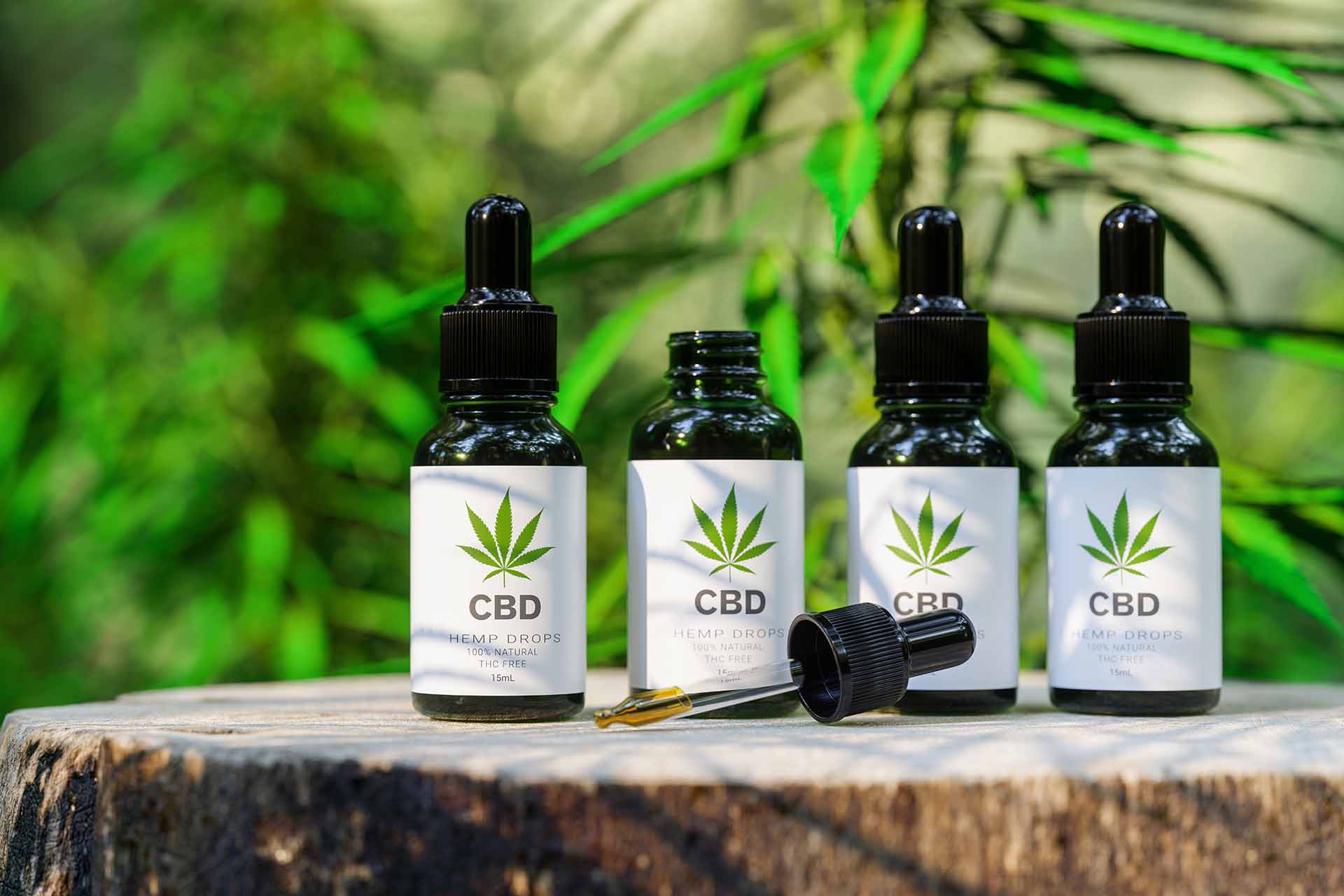
CBD oil is commonly marketed as part of an evening relaxation routine. Some adults use it before bed because they hope to feel calmer, reduce discomfort, or support more restful sleep.
Using CBD oil safely requires more than choosing a bottle and taking a random amount. Product quality, timing, medication interactions, health conditions, and individual sensitivity all matter.
CBD is not suitable for everyone, and it should not replace professional assessment when sleep problems are persistent or severe.
Discuss CBD With a Healthcare Professional
The safest first step is to speak with a qualified healthcare professional or pharmacist.
CBD may affect how the body processes certain medications. This can change medication levels and increase the risk of side effects.
Provide a complete list of prescriptions, over-the-counter medicines, vitamins, supplements, and recreational substances.
Mention any history of liver problems, low blood pressure, severe allergies, pregnancy, breastfeeding, or previous reactions to cannabis-derived products.
Bring the product label if you have already selected an oil. Different oils can contain different concentrations and added ingredients.
Choose a Clearly Labeled Product
A CBD oil label should identify the total CBD in the bottle and the amount per serving.
The product should also state whether it is CBD isolate, broad-spectrum, or full-spectrum.
Full-spectrum oil may contain small amounts of THC. This can matter for workplace testing, driving, travel, personal sensitivity, and local laws.
Look for a batch number and an independent laboratory report that matches it.
Use careful product and consumer safety practices when checking testing information, storage directions, warnings, and manufacturer transparency.
Avoid oils that promise to cure insomnia, anxiety, pain, or serious medical conditions.
Understand the Concentration
CBD oils can have very different concentrations. One dropper from one product may contain much more CBD than a dropper from another.
Do not assume that a full dropper is a standard serving.
Read the label carefully and use the measuring tool provided with the product.
When the label is unclear, contact the manufacturer or ask a pharmacist before using it.
Never estimate an amount based only on the bottle size.
A concentrated product may require a much smaller measured amount than a lower-strength oil.
Follow Professional and Label Guidance
There is no single bedtime amount suitable for every adult.
Body size, metabolism, medication, product concentration, health conditions, and sensitivity can all affect the experience.
When a healthcare professional agrees that CBD is reasonable, follow their guidance and the product instructions.
Avoid copying amounts used by friends, influencers, or online reviewers.
Taking more does not guarantee better sleep. It may increase tiredness, digestive discomfort, dizziness, or other unwanted effects.
Give the Product Time
The timing of effects can vary.
CBD oil used according to label directions may be noticed sooner than edible products, but individual responses remain different.
Do not take repeated amounts within a short period because you think nothing is happening.
Allow enough time to evaluate the initial amount safely.
Keep the evening routine consistent so you can distinguish the possible product effect from other changes.
Readers exploring simple nighttime wellness ideas should avoid introducing several new sleep products at once.
Use CBD in a Safe Environment
Try CBD oil for the first time when you are at home and do not need to drive, work, or make important decisions.
Possible tiredness or dizziness can create safety risks.
Do not use machinery, climb ladders, cook over open flames, or perform activities requiring quick reactions until you know how the product affects you.
Keep the bottle away from children and pets.
Store it according to the label, protected from excessive heat, light, or moisture.
Avoid Mixing Sedating Substances
CBD may increase tiredness in some people.
Combining it with alcohol, sleep medication, antihistamines, opioids, or other sedating products may increase impairment.
Do not mix substances without advice from a qualified healthcare professional.
A product marketed for nighttime use may already contain melatonin or calming herbs. Check the complete ingredient list before adding anything else.
Using several sedating products makes it difficult to identify which one caused an unwanted reaction.
Track Your Response
Keep a simple record for several nights.
Note the product, amount, timing, bedtime, estimated time to fall asleep, awakenings, wake time, and morning alertness.
Also record side effects such as dry mouth, stomach discomfort, vivid dreams, dizziness, or daytime sleepiness.
Tracking prevents vague impressions from becoming firm conclusions.
A product should be judged by the whole night and following day, not only by whether it creates immediate drowsiness.
Maintain Healthy Bedtime Habits
CBD oil cannot correct every cause of poor sleep.
Keep a consistent wake-up time and reduce screen use before bed. Lower the lights and stop demanding work during the final part of the evening.
Limit late caffeine, alcohol, and heavy meals.
Make the bedroom cool, dark, quiet, and comfortable.
Balanced lifestyle and sleep discussions often show that dependable routines provide more lasting value than frequently changing products.
Consider the Cause of Sleep Difficulty
CBD may not address the actual problem.
Someone who wakes because of loud snoring, breathing pauses, reflux, pain, restless legs, or frequent urination may need medical assessment.
A person who cannot sleep because of persistent anxiety or depression may benefit from mental health support.
Shift work and irregular schedules require timing strategies rather than a stronger bedtime product.
Information about body function and physical health can help readers understand why sleep disruption may have several connected causes.
Watch for Unwanted Effects
Possible CBD side effects may include tiredness, digestive changes, appetite changes, dry mouth, dizziness, or altered alertness.
Stop using the oil and seek professional advice if symptoms become severe or concerning.
Urgent medical help may be needed for difficulty breathing, severe allergic symptoms, fainting, or another serious reaction.
Do not continue using a product simply because it was expensive or highly recommended.
Be Careful With Drug Testing
Full-spectrum CBD products may contain THC.
Even small amounts may matter for workplace or athletic testing, depending on product quality, frequency of use, and testing sensitivity.
Products labeled THC-free may still carry contamination or labeling risks.
Anyone subject to drug testing should discuss the issue with their employer, governing organization, or appropriate professional before using CBD.
No seller can guarantee that a product will never affect a test result.
Review Whether It Is Actually Helping
After a reasonable observation period, consider whether the product provides a clear benefit.
Are you falling asleep more easily, waking less often, and functioning better during the day?
Is the improvement large enough to justify the cost and possible risk?
If nothing changes, taking more without professional guidance is not the best next step.
If sleep becomes worse or daytime tiredness increases, stop and seek advice.
Using CBD oil before bedtime safely requires careful product selection, professional guidance, accurate measurement, and honest tracking. Avoid combining it with other sedating substances and do not allow it to replace healthy sleep habits. A cautious routine protects both nighttime rest and next-day safety.