CBD is available in many forms, but creams and oils are among the most widely discussed options for physical discomfort. Although both may contain cannabidiol, they are used differently and may create different risks.
Creams are generally applied to the skin over a specific area. Oils are often placed beneath the tongue or swallowed, although some oils are marketed for topical use. Understanding the product label is important because an oral product and a skin product are not automatically interchangeable.
Neither option has been proven to relieve every type of discomfort. Evidence for CBD pain relief remains limited, and research involving cannabis-based medicines cannot always be applied to common retail products.
People comparing CBD creams and oils should consider the location of the discomfort, medication use, ingredients, safety, and product quality.
How CBD Creams Are Used
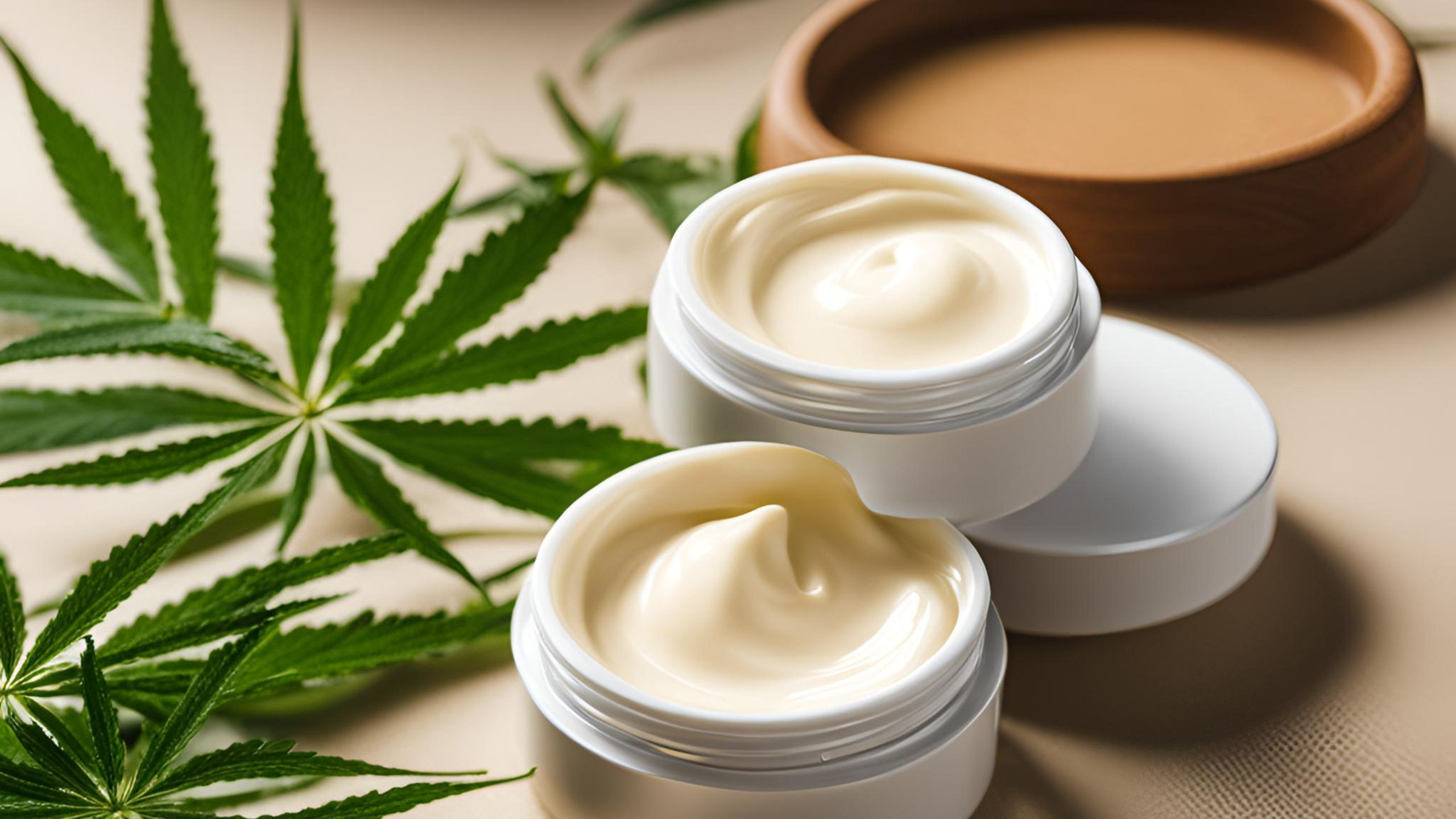
CBD creams, balms, lotions, salves, and gels are applied directly to the skin. Consumers often use them over the knees, hands, shoulders, back, feet, or other localized areas.
A cream may be appealing when discomfort is concentrated in one place. The person can apply a small amount without intentionally taking CBD by mouth.
Topical products may also include menthol, camphor, eucalyptus, capsaicin, essential oils, or warming ingredients. These substances can produce noticeable cooling, heating, tingling, or fragrance.
The immediate sensation does not prove that CBD has reached a joint or deep muscle. Research remains uncertain about how much CBD in ordinary topical products crosses the skin and affects deeper structures.
How CBD Oils Are Used
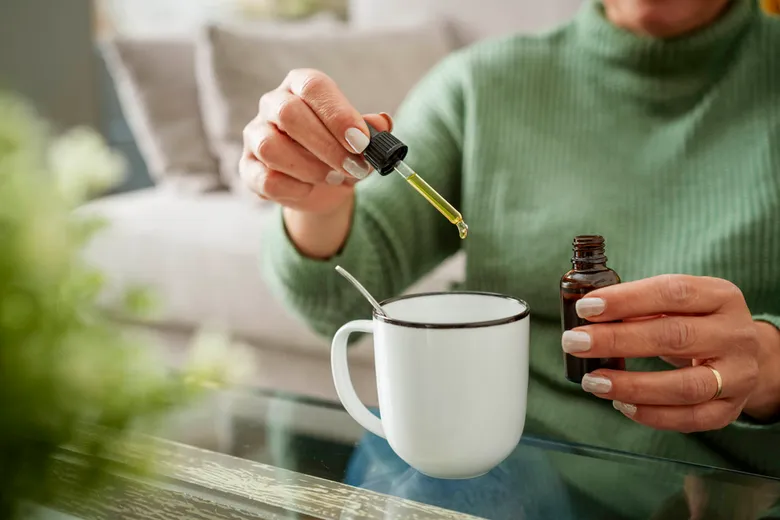
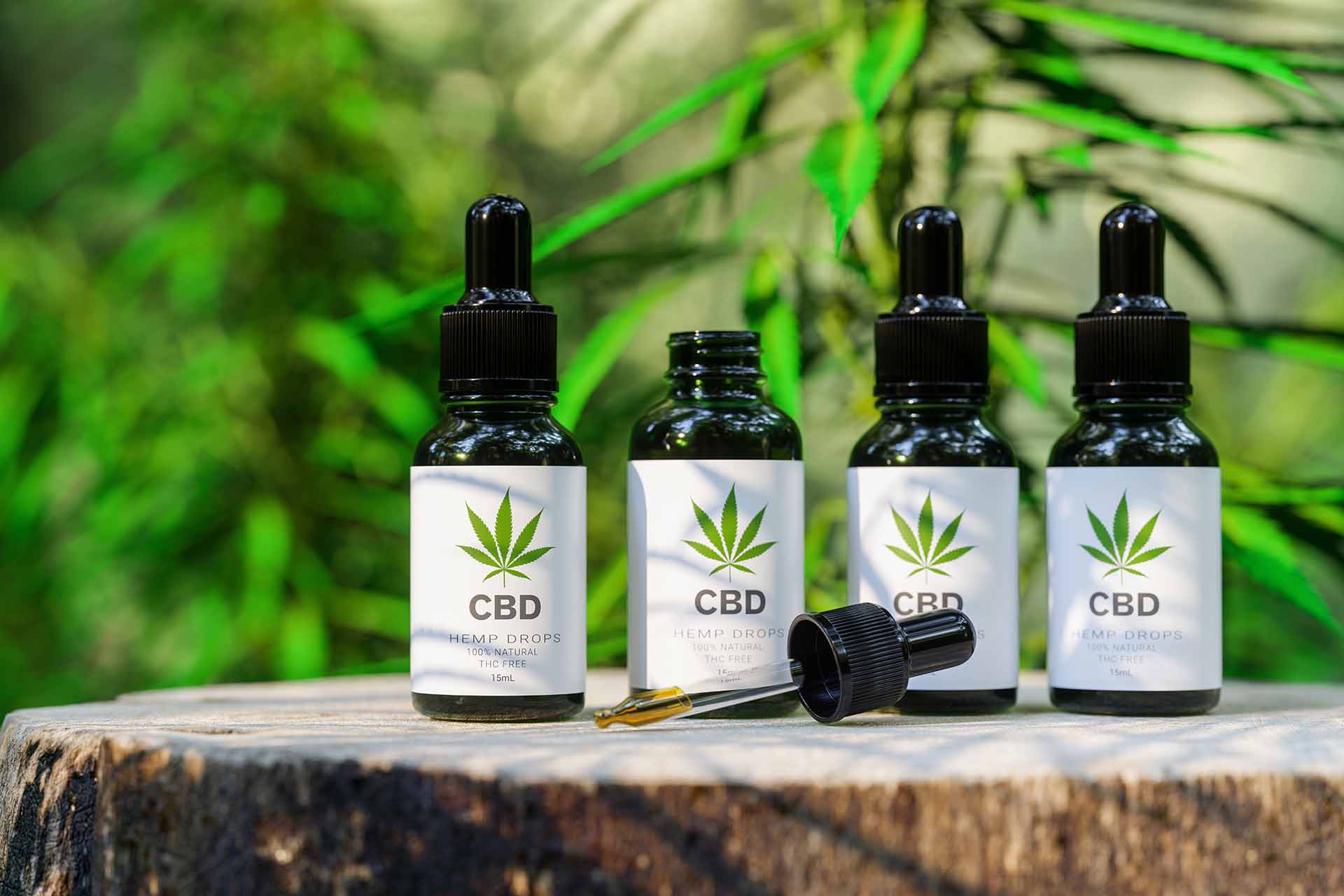
A CBD oil or tincture is normally measured with a dropper. Depending on the label, it may be placed under the tongue or swallowed.
Oral use exposes the whole body rather than one area. This may appeal to someone with discomfort in several locations, but it also creates greater potential for whole-body side effects and medication interactions.
CBD oils vary significantly in concentration. One dropper from one brand may contain a different CBD amount from the same volume produced by another company.
The carrier oil may be made from coconut-derived MCT oil, hemp seed oil, olive oil, or another ingredient. People with allergies or digestive sensitivity should review the label.
Some bottles called CBD oil are intended only for external use. Never swallow a topical product unless the label clearly says it is made for oral consumption.
Localized Use Versus Whole-Body Exposure
The main practical difference is where the product is intended to act.
A cream is placed over a specific area, although its true depth of action is uncertain. An oral oil circulates more broadly after absorption and may affect alertness, digestion, medication metabolism, or other systems.
A person with one sore knee may prefer the convenience of a topical. Someone with discomfort in several areas may consider oral CBD, but the evidence does not guarantee broader relief.
People should not assume that taking CBD internally is automatically stronger or more effective. Greater exposure can also mean greater risk.
Which Option Works Faster?
Manufacturers often provide confident timing claims, but individual responses vary. Topical products may create a quick cooling or warming sensation because of menthol or similar ingredients.
That sensation may begin before CBD could be expected to have a deeper effect. Massage during application may also provide temporary comfort.
Oral oils may be absorbed differently depending on whether they are held under the tongue, swallowed, or taken with food. Product formulation and individual metabolism can influence timing.
Because the evidence is incomplete, users should be cautious about exact promises such as “works in five minutes” or “provides eight hours of relief.”
Which Option Has More Interaction Risk?
Oral CBD generally creates greater concern about drug interactions because it enters systemic circulation.
CBD may change how the body processes certain medications. This can potentially increase side effects or reduce the effectiveness of another treatment. Regulators also warn about possible liver effects and increased sedation when CBD is combined with alcohol or medicines that slow brain activity.
Topical CBD may create lower systemic exposure, but that does not mean every product is risk-free. Skin irritation, allergic reactions, contamination, and accidental ingestion are still possible.
A doctor or pharmacist should review oral CBD use when a person takes regular medication.
Consider Skin Sensitivity
Topical products contain more than CBD. Fragrances, preservatives, essential oils, cooling agents, and botanical extracts may irritate sensitive skin.
Test a small amount on an unaffected area before applying it widely. Wait long enough to identify redness, itching, burning, swelling, or rash.
Do not use the product on broken skin, open wounds, infections, severe rashes, or recent surgical areas unless a healthcare professional approves it.
Wash the hands after application and avoid touching the eyes, mouth, or other sensitive areas.
People following active body-care routines should also avoid applying a topical immediately before exercise when sweat and friction may increase irritation.
Compare Convenience and Dosing
Creams are easy to apply to one visible area, but measuring the exact CBD amount may be difficult. Labels sometimes state total CBD in the container without explaining how much is delivered in each application.
Oils often provide a marked dropper, allowing the user to estimate a serving. However, measurement can still be inaccurate when the dropper is unmarked or the concentration is unclear.
A larger number on the front label does not always mean a stronger serving. It may represent the total CBD in the entire package.
Look for labels that clearly show CBD per milliliter, per dropper, or per recommended application.
Examine Product Testing
Independent testing can help verify whether the CBD and THC amounts are reasonably close to the label.
The laboratory report should match the batch or lot number printed on the product. It should be recent and available without requiring personal information.
Depending on the product, testing may also cover pesticides, heavy metals, residual solvents, or microbes.
Avoid relying only on terms such as premium, pure, natural, organic, or medical grade. These marketing expressions do not replace measurable testing.
Good body discomfort product guidance should teach consumers how to examine evidence rather than judging a product by attractive packaging.
Full-Spectrum, Broad-Spectrum, and Isolate
CBD isolate is intended to contain CBD without the range of other cannabis compounds. Broad-spectrum products usually contain several compounds while aiming to remove THC. Full-spectrum products may contain CBD, other plant compounds, and some THC within applicable legal limits.
These categories do not guarantee quality or effectiveness. A broad-spectrum product may still contain trace THC, while a full-spectrum label does not prove that the product is more therapeutic.
Anyone subject to workplace or sports drug testing should understand that CBD product use may create risk when THC is present or when labeling is inaccurate.
Do Not Combine Products Carelessly
Using an oral oil, cream, gummy, and drink on the same day can make total exposure difficult to understand.
A person may believe each serving is small while the combined amount becomes much higher. Different products may also contain repeated ingredients such as melatonin, herbs, or sedating compounds.
Begin with one product at a time. Record the amount, timing, benefits, and side effects.
Avoid increasing both the amount and frequency at once. Change one factor so the response can be evaluated more clearly.
Which Option May Be More Suitable?
A topical may be the more conservative choice for someone who wants to test a product on one small area while limiting whole-body exposure. It still requires careful ingredient review and skin testing.
Oral CBD may be considered by someone seeking broader effects, but it carries more interaction and side-effect concerns. Medical review becomes especially important.
Neither product should be selected to avoid investigating persistent pain. Local discomfort could be caused by a strain, tendon problem, arthritis, nerve irritation, infection, or another condition.
Useful CBD use and safety information should help consumers make careful decisions instead of declaring one format universally superior.
CBD creams offer targeted application and may be simpler for localized discomfort. Oils expose the whole body and may be easier to measure, but they introduce greater interaction concerns. Evidence for both remains incomplete. Choose based on safety and clear goals, not marketing claims, and seek medical advice when discomfort is severe, unexplained, or persistent.