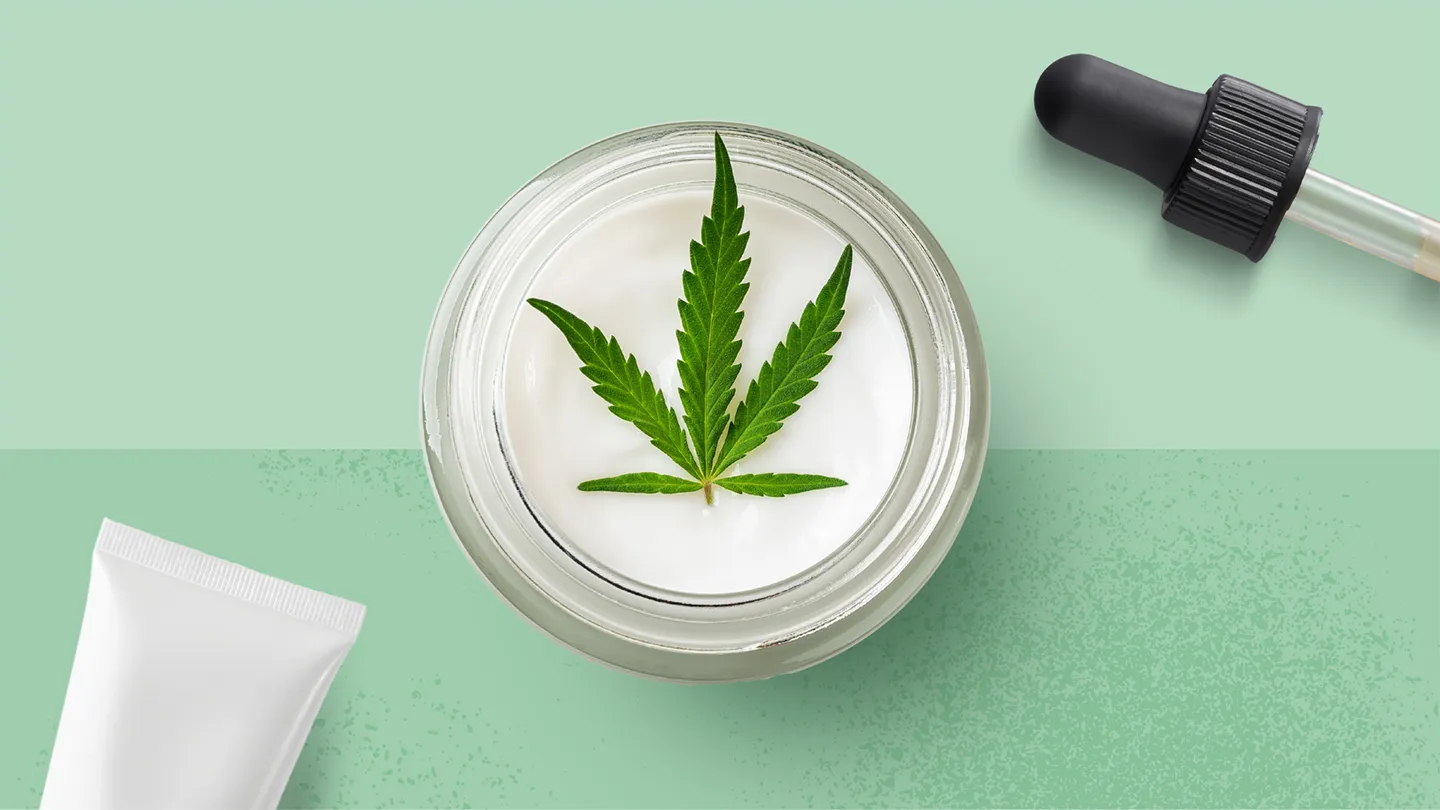
CBD topicals include creams, lotions, balms, oils, roll-ons, patches, and gels applied directly to the body. They are marketed for skin comfort, dryness, massage, post-exercise use, and localized soreness.
Understanding how CBD topicals work on your skin requires looking beyond the CBD itself. The skin barrier, carrier ingredients, concentration, application method, and product quality all shape the experience.
The Skin Acts as a Protective Barrier
The outer layer of skin is designed to keep harmful substances out and prevent too much water from escaping. This protective structure makes it difficult for many ingredients to travel deeply into the body.
Most ordinary CBD creams are intended to work near the area where they are applied. They may moisturize the surface and interact with local skin structures, but they are not automatically absorbed throughout the body in large amounts.
Transdermal patches are designed differently from cosmetic creams. Their purpose is to move ingredients across the skin over time, so they should not be treated as identical products.
Using clear skin and wellness information can help you understand why the word topical covers several different product types.
CBD Is Mixed With Carrier Ingredients
CBD is not normally rubbed onto skin as a pure powder. It is blended with oils, water, waxes, emulsifiers, preservatives, and other ingredients to create a usable product.
Lotions contain more water and usually feel lighter. Creams are thicker and may suit dry areas. Balms contain more oils and waxes, creating a protective layer over the skin.
The carrier affects spreadability, absorption, comfort, and the amount of moisture the product helps retain.
A CBD balm containing petrolatum may feel effective on cracked elbows because petrolatum reduces water loss. That benefit does not prove CBD alone created the result.
Following practical topical-care steps encourages you to judge the full formula rather than the featured ingredient.
Local Skin Signaling Is Being Studied
The skin contains complex networks involved in sensation, oil production, immune responses, and barrier function. Researchers are studying how cannabinoids may interact with parts of these systems.
This research has created interest in CBD for discomfort, inflammation, itching, and oil balance. However, early laboratory findings do not always translate into clear results for everyday cosmetic products.
Concentration, purity, formulation, and the specific condition being studied can vary widely. A result from a controlled laboratory experiment should not be treated as proof that every CBD lotion works.
Marketing often skips these details. It may turn a possibility into a promise.
Massage Changes the Experience
Applying a topical usually involves rubbing or massaging the area. Massage itself can increase warmth, improve temporary comfort, and make stiff areas feel more relaxed.
A person may attribute the full effect to CBD when part of the change came from touch, rest, cooling ingredients, or the moisturizing base.
Menthol creates a cooling sensation. Camphor and certain botanical extracts may feel warming. These sensations can be strong enough to dominate the experience.
Read responsible personal-care guidance before assuming tingling or cooling proves CBD is entering the skin.
Sensation is not the same as healing. A strong feeling may indicate menthol or irritation rather than greater effectiveness.
Product Type Affects How It Feels
Lotions spread easily over larger areas and may suit daily body care. Creams are thicker and can be used on smaller dry patches.
Balms stay on the surface longer because of their waxy texture. They are useful for massage but may feel greasy under clothing.
Roll-ons are convenient for shoulders, knees, or other areas that are easy to reach. Gels often dry faster and may include alcohol or cooling ingredients.
Facial CBD serums are generally lighter, but they may contain fragrances, plant extracts, or oils that do not suit acne-prone skin.
Choose texture according to your skin and purpose rather than assuming one format is stronger.
Concentration Can Be Confusing
Some labels list the total CBD in the entire container. Others describe a concentration per serving, drop, pump, or unit of weight.
A product with a large container may show a higher total number without delivering much more CBD in each application.
More CBD does not automatically mean better results. Formula quality, stability, skin compatibility, and accurate labeling matter as much as concentration.
Avoid paying a premium for a high number when the company does not explain how it was calculated.
Patch Testing Protects Sensitive Skin
Apply a small amount to a limited area and monitor the skin before wider use. Repeat the test for several days when appropriate.
Stop use if you develop burning, swelling, itching, hives, worsening redness, or a new rash.
People often blame CBD for a reaction when fragrance, essential oils, preservatives, or carrier oils are responsible. Patch testing cannot always identify the exact ingredient, but it can warn you that the finished product does not suit your skin.
Avoid testing over broken skin because the response may be stronger and more painful.
Topicals and Oral CBD Are Different
A topical cream is applied to the skin. Oral CBD oils, capsules, gummies, and drinks are swallowed and processed differently by the body.
Do not assume a topical product will create the same effects or risks as an oral product. At the same time, people using large amounts, transdermal systems, prescription medicine, or products with uncertain contents should seek professional guidance.
Product quality also varies. Labels may not always reflect the exact amount or range of cannabinoids present.
Anyone facing drug testing should consider the possibility of mislabeled or full-spectrum products and seek appropriate advice.
Build a Calm Testing Routine
Try a CBD topical when your skin is stable rather than during a severe flare. Keep the rest of your routine unchanged.
Record the product, application amount, time, location, and response. This creates a clearer picture than relying on memory.
A routine supported by mindful wellness habits reduces the temptation to apply more product every hour because results are not immediate.
Give the formula a fair but limited trial. Stop when irritation appears or when the product clearly provides no useful benefit.
Conclusion
CBD topicals work as complete formulations, not as CBD in isolation. The skin barrier limits penetration, while carrier ingredients influence moisture, texture, absorption, and comfort.
Learning how CBD topicals work on your skin helps you separate cosmetic effects from marketing claims. Read labels, understand the product type, patch test, and avoid assuming that stronger sensations mean better results.
Use topicals for their intended purpose. Persistent pain, infection, severe rashes, or unexplained skin changes require professional evaluation rather than repeated self-treatment.