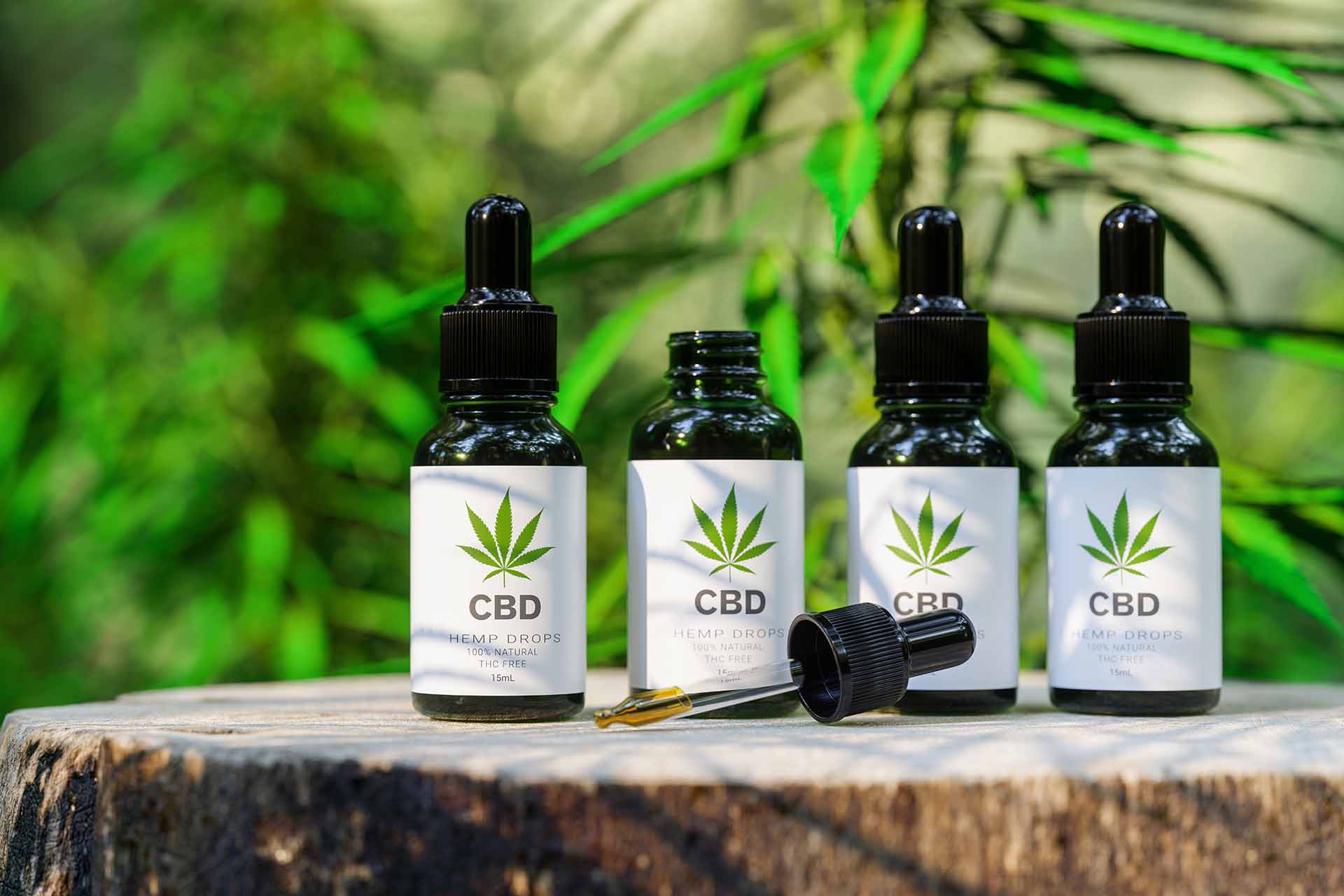
CBD has become one of the most talked about natural wellness products in recent years. From oils and capsules to gummies and skincare products, it is now available in many forms. Despite its growing popularity, there are still many misunderstandings surrounding CBD. These myths often discourage people from learning about its potential uses or lead them to develop unrealistic expectations. Understanding the facts behind these misconceptions helps consumers make more informed decisions and approach CBD with greater confidence.
Myth One: CBD Causes a High
One of the most common myths is that CBD creates the same intoxicating effects as cannabis. In reality, CBD, or cannabidiol, is a non intoxicating compound. Unlike THC, which is responsible for the psychoactive effects associated with marijuana, CBD does not produce a high.
Many people avoid CBD because they mistakenly believe it will affect their judgment or mental clarity. In truth, products made from quality hemp sources are formulated to provide CBD without the mind altering effects linked to THC.
Myth Two: All CBD Products Are the Same
Not every CBD product is created with the same ingredients, extraction methods, or quality standards. Full spectrum, broad spectrum, and CBD isolate products each have different characteristics. In addition, manufacturers vary in their production methods, testing procedures, and ingredient sourcing.
As consumers become more informed through business technology Australia, they are discovering the importance of reviewing laboratory reports, ingredient lists, and brand transparency before purchasing CBD products.
Myth Three: CBD Works Instantly for Everyone
Some advertisements have created the impression that CBD delivers immediate and identical results for every user. The reality is much more complex. Individual experiences vary depending on factors such as body chemistry, dosage, product type, consistency of use, and personal wellness goals.
CBD is not a one size fits all solution. Finding the right product and serving size may require patience and careful observation. Setting realistic expectations is an important part of responsible CBD use.
Myth Four: More CBD Always Means Better Results
Many people assume that taking larger amounts of CBD automatically produces better outcomes. This is another misconception that can lead to disappointment.
The ideal amount differs from person to person. Some individuals find satisfaction with relatively small servings, while others may require different approaches based on their circumstances. Rather than increasing the amount unnecessarily, it is generally wiser to follow product recommendations and adjust gradually if needed.
Educational articles published on a guest post entertainment blog sometimes discuss wellness trends, but readers should always verify information through trusted scientific and professional resources before making health related decisions.
:max_bytes(150000):strip_icc()/GettyImages-1257050490-47abf0bd203542bb9a7bb8fef857267a.jpg)
Myth Five: CBD Is Completely Unregulated
Although regulations differ between countries and regions, reputable CBD manufacturers often follow strict quality control practices. Independent laboratory testing has become an important part of the industry, helping verify cannabinoid content and screen for contaminants.
Consumers should prioritize companies that provide transparent testing results and detailed product information. These practices help distinguish reliable products from lower quality alternatives.
Reliable reporting through australian online news has also contributed to greater public awareness by explaining evolving regulations and highlighting the importance of purchasing CBD from trustworthy sources.
Myth Six: CBD Can Replace Every Wellness Practice
CBD should never be viewed as a replacement for healthy habits. A balanced lifestyle still depends on proper nutrition, regular physical activity, sufficient sleep, stress management, and routine medical care when necessary.
Many people choose CBD as one component of a broader wellness routine rather than expecting it to solve every health concern on its own. Responsible use involves understanding both its possibilities and its limitations.
Directories such as aussiesearch.com.au often help consumers locate reputable businesses across various industries, but researching product quality and company credibility remains an essential step before making any purchase.
Myth Seven: Natural Always Means Safe for Everyone
While CBD originates from plants, natural products are not automatically suitable for every individual. Certain people may experience side effects or interactions with medications. This is why consulting a qualified healthcare professional before introducing CBD into a wellness routine is recommended, especially for those managing existing medical conditions or taking prescription medications.
Consumers should also pay attention to product labels, serving instructions, and storage recommendations to ensure proper usage.
Resources available through locly.com.au can make it easier to discover local retailers, but buyers should still evaluate each brand based on transparency, third party testing, and customer confidence rather than convenience alone.
Conclusion
CBD continues to gain recognition as interest in natural wellness products grows, yet misinformation remains widespread. Myths about intoxication, product quality, dosage, effectiveness, regulation, and safety often prevent people from understanding what CBD actually offers. By relying on accurate information, purchasing from reputable manufacturers, and maintaining realistic expectations, consumers can make informed choices that support their personal wellness goals. Separating fact from fiction is the first step toward navigating the rapidly expanding CBD marketplace with confidence.