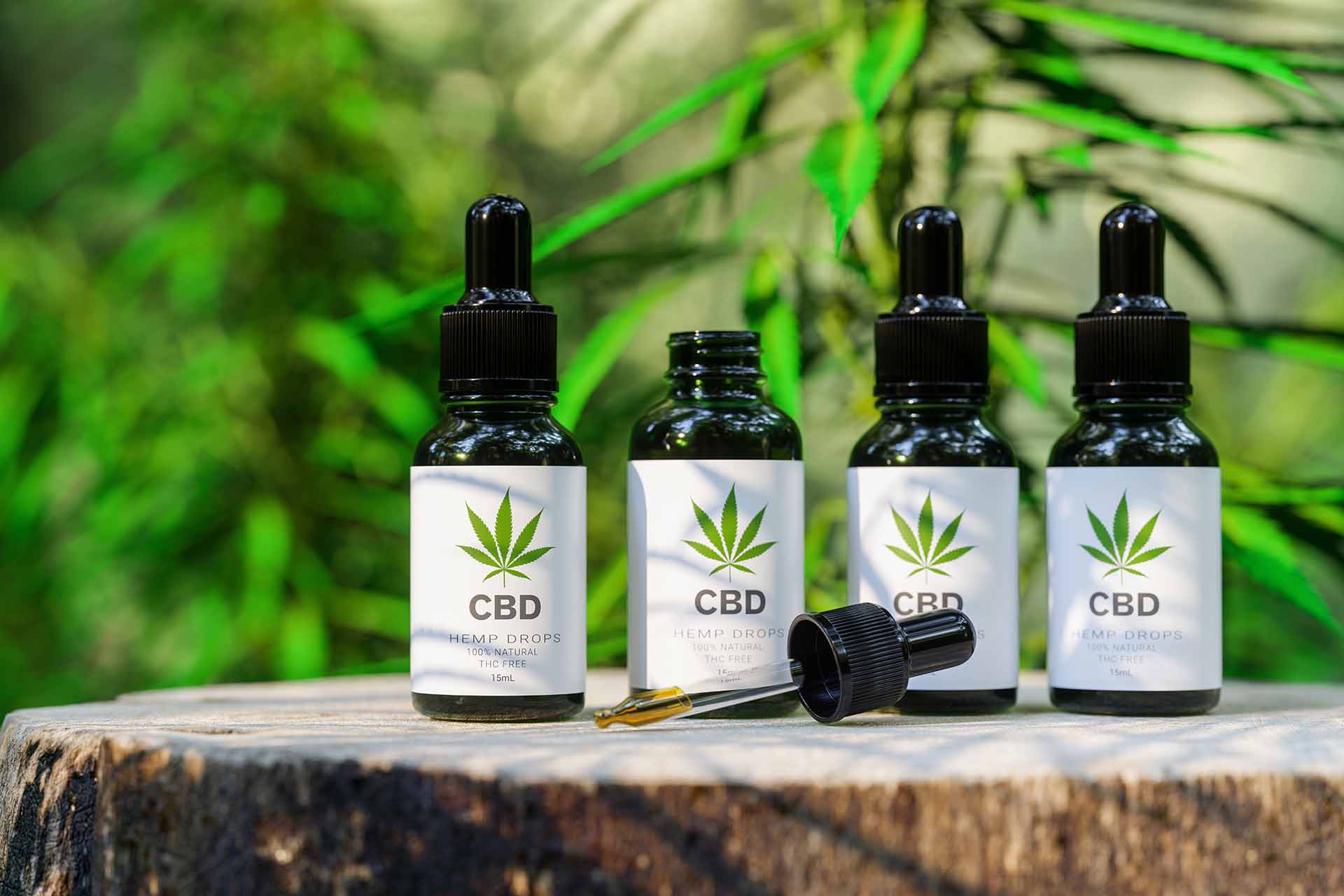
CBD has become one of the most heavily promoted products for anxiety. Online stories often present it as a simple natural solution, while product pages may promise calm without explaining the limits of the evidence. Beginners need a more careful picture.
Early research has created interest in CBD for certain anxiety symptoms, but results do not prove that every retail oil or gummy is effective. Study products, amounts, participants, and conditions can differ greatly from products sold to consumers.
Understand the Current Evidence
Research should be judged by study quality, not by the confidence of a headline. Small or short studies may identify possibilities without establishing a dependable treatment.
Early Findings Are Not Final Proof
Some preliminary studies suggest CBD may affect anxiety in specific situations. However, the evidence is not strong enough to conclude that CBD reliably treats generalized anxiety, panic disorder, trauma-related symptoms, obsessive thoughts, or other anxiety conditions.
Researchers also use measured formulations that may differ from retail products. A result from one preparation cannot automatically be applied to every gummy, beverage, or oil.
Good everyday anxiety information should clearly state where evidence is uncertain instead of converting early findings into guarantees.
Personal Stories Have Limits
A friend’s positive experience may be genuine without predicting your response. Anxiety naturally changes with sleep, stress, environment, expectations, and social support.
A person may also feel calmer because they expected the product to work or because they changed several routines at the same time.
Testimonials cannot identify drug interactions, product contamination, liver effects, or whether the bottle contains the amount shown on its label.
Recognize Possible Risks
CBD is often described as non-intoxicating because it does not usually produce the same high as THC. Non-intoxicating does not mean free from side effects.
Drowsiness and Dizziness Can Occur
CBD may cause reduced alertness, sleepiness, dizziness, appetite changes, or digestive symptoms. These effects can become more concerning when CBD is combined with alcohol, sleep aids, anxiety medicines, or other sedating substances.
A beginner should not first try CBD before driving, working at height, supervising machinery, or completing another safety-sensitive task.
Safer mental calming techniques include slow breathing, movement, structured breaks, and professional support when symptoms are persistent.
Products May Contain THC
Some CBD products intentionally contain small amounts of THC, while others may contain more than the label indicates. THC can worsen anxiety or trigger panic in some people.
Unexpected THC may also impair judgment and reaction time. It can create workplace drug-testing problems even when the user did not intend to consume an intoxicating product.
A “hemp,” “natural,” or “THC-free” label does not replace independent batch testing.
Review Medication Interactions
People with anxiety may already take antidepressants, anti-anxiety medications, sleep aids, blood pressure medicines, or other treatments. CBD can affect the processing of certain drugs.
Speak With a Doctor or Pharmacist
Bring the exact product label, ingredient list, proposed amount, and testing certificate. This information allows the professional to identify ingredients and possible interactions.
Be open about alcohol, cannabis, and nonprescription sleep products as well. The combination matters more than any single item.
Healthy stress-recovery planning should protect existing medical care rather than introduce a poorly reviewed product into it.
Never Stop Anxiety Medication Suddenly
Some anxiety and antidepressant medicines can cause withdrawal symptoms when stopped too quickly. Anxiety may also return more intensely.
Do not reduce a prescription because a CBD seller claims its product is a natural replacement. Only the prescribing professional should guide a medication change.
Contact the clinician promptly when a new product appears to increase agitation, panic, confusion, dizziness, or excessive sleepiness.
Use Proven Anxiety Supports
CBD marketing may draw attention away from approaches with stronger evidence. Treatment should match the severity, duration, and cause of the symptoms.
Consider Therapy and Daily Skills
Cognitive behavioral therapy and other professional approaches can help people understand anxious thoughts, avoidance patterns, and physical reactions.
Daily strategies may include regular sleep, physical activity, reduced caffeine, balanced meals, gradual exposure to feared situations, and planned relaxation.
These actions require practice, but they build skills that remain available without a product.
Know When Anxiety Needs Urgent Care
Arrange professional support when anxiety persists, causes repeated panic attacks, limits work or relationships, disrupts sleep, or leads to substance misuse.
Seek immediate help for suicidal thoughts, severe confusion, chest pain, fainting, dangerous behavior, or inability to remain safe.
Strong whole-health protection includes knowing when self-care has reached its limit.
Conclusion
CBD may be an area of continuing anxiety research, but it is not a guaranteed or risk-free treatment. Retail products vary, the evidence remains incomplete, and possible problems include drowsiness, medication interactions, liver concerns, and unexpected THC exposure.
Beginners should first understand their anxiety pattern and consider established treatments. Anyone still considering CBD should speak with a healthcare professional, choose a batch-tested product, avoid mixing it with alcohol or sedatives, and avoid driving until the effects are known.
Anxiety deserves care based on its seriousness, not the strength of a product’s marketing. Persistent symptoms should be professionally assessed rather than managed through trial and error alone.
Frequently Asked Questions
Is CBD proven to treat anxiety disorders?
No. Early research is promising in limited settings, but evidence does not establish retail CBD as a dependable treatment for anxiety disorders.
Can CBD worsen anxiety?
Yes. Reactions vary, and products containing THC may trigger anxiety or panic in sensitive users.
Does CBD work immediately for anxiety?
Effects and timing vary by product and person. A rapid feeling does not prove that the underlying anxiety condition is being treated.
Is CBD safer than prescription anxiety medicine?
It should not be considered automatically safer. CBD can cause side effects, interact with medications, and contain inaccurate amounts of CBD or THC.
Can I combine CBD with anxiety medication?
Do not combine them without a doctor or pharmacist reviewing the exact medication and product. Sedation or other interactions may occur.
Can CBD cause a positive drug test?
Yes. Products containing THC may produce a positive result, and labeling is not always accurate.
What are stronger evidence-based anxiety treatments?
Professional therapy, appropriate medication, regular exercise, good sleep, reduced caffeine, and practiced coping skills have stronger support for many people.
When should anxiety receive urgent medical attention?
Seek urgent help for suicidal thoughts, severe confusion, fainting, chest pain, dangerous behavior, or an inability to keep yourself safe.