Choosing a CBD product can feel less like a health decision and more like navigating an advertising contest. Bottles use reassuring phrases, polished designs, and wellness imagery, yet packaging alone provides little proof about what is actually inside.
Finding quality CBD products requires more than comparing prices or reading enthusiastic customer reviews. You need to examine the manufacturer, laboratory documentation, ingredient list, cannabinoid content, and claims made by the seller. Practical CBD shopping guidance should help consumers identify warning signs rather than directing them toward a fashionable label.
No retail product can be considered completely risk-free. Careful selection reduces avoidable uncertainty but does not remove side effects, medication interactions, or personal health concerns.
Begin With the Reason You Want CBD
Before comparing brands, define the problem you are trying to address. A vague desire for wellness makes it easier for marketing language to guide the purchase.
Persistent pain, anxiety, sleep disruption, or other symptoms may deserve proper evaluation before self-treatment begins.
Ask Whether Another Option Has Better Evidence
A product may be popular without being the best first choice. Physical therapy, sleep treatment, counseling, medication adjustment, or another approach may have clearer evidence for your concern.
Speak with a qualified healthcare professional when symptoms continue, worsen, or interfere with daily activities.
Review Your Medication and Health History
CBD can interact with medicines and has been associated with drowsiness, digestive symptoms, and possible liver injury. A pharmacist or doctor can help assess personal concerns. ons, over-the-counter drugs, supplements, alcohol use, liver problems, pregnancy, breastfeeding, and upcoming procedures.
Look for Independent Laboratory Testing
A certificate of analysis, often called a COA, is a laboratory report showing information about the tested batch.
The document may list cannabinoid concentrations and results for contaminants. Its usefulness depends on whether it is current, complete, and connected to the product in your hand.
Match the Batch Number
Check whether the batch or lot number on the report matches the number printed on the product. A report from a different batch provides limited assurance about the bottle you are considering.
The test date should also be reasonably recent. Companies should make reports easy to access without forcing customers to contact several departments.
Examine More Than CBD Concentration
A meaningful report may include testing for THC, pesticides, heavy metals, residual solvents, and microorganisms.
Independent author perspectives on product quality often emphasize cannabinoid strength, but contamination testing can be equally important. A correctly measured amount does not make a contaminated item safe.
Understand the Product Label
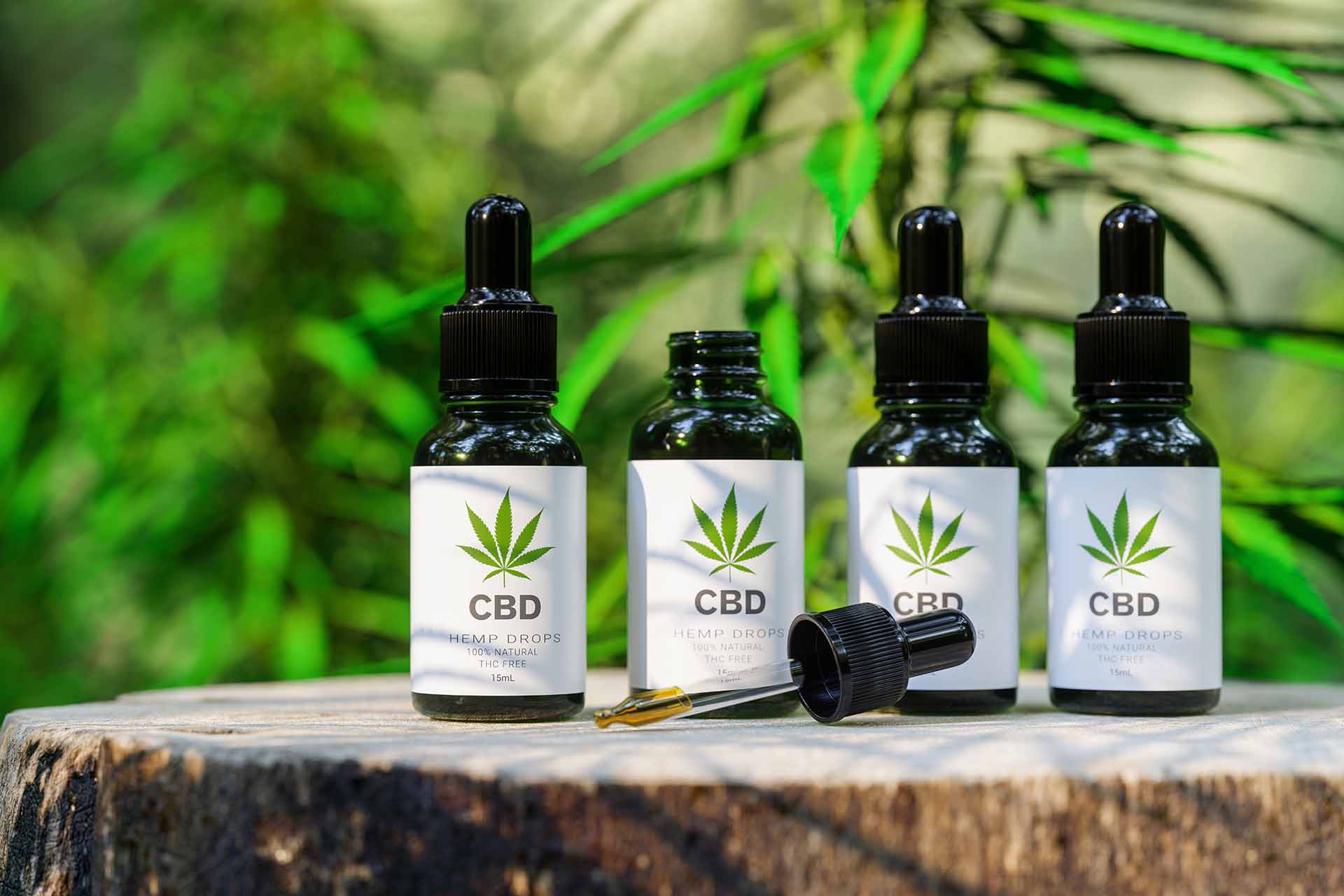
The label should make it possible to calculate how much CBD is in one serving. Some packages show only the total amount in the entire bottle, which can confuse beginners.
Look for the serving size, servings per container, ingredient list, storage instructions, warnings, and manufacturer contact details.
Distinguish Total Content From Serving Amount
A bottle marked “1,000 milligrams” may refer to the total cannabidiol in the container, not the amount in each dropper or serving.
Divide the total by the number of labeled servings when the per-serving amount is not clearly stated. Avoid products that make basic concentration information difficult to understand.
Read Every Ingredient
Oils may contain carrier oils, flavorings, sweeteners, botanical extracts, or additional cannabinoids. Gummies may contain allergens, sugar alcohols, artificial colors, or other active ingredients.
People with allergies, dietary restrictions, or medication concerns need to review the complete list rather than focusing only on the CBD number.
Compare Isolate, Broad-Spectrum, and Full-Spectrum Products
These categories describe the intended cannabinoid composition, but manufacturers may use the terms inconsistently.
The laboratory report should confirm what the label claims.
Isolate Is Intended to Contain CBD Alone
An isolate product is generally designed to contain cannabidiol without other cannabinoids. It may appeal to people trying to avoid THC.
However, the term on the package is not a guarantee. Independent testing remains important because contamination or inaccurate labeling can occur.
Full-Spectrum Products May Contain THC
Full-spectrum products include a broader mixture of cannabis compounds and may contain some THC. This creates added concerns for impairment, sensitivity, and workplace testing.
The CDC notes that retail CBD products may contain THC or other contaminants even when consumers do not expect them. ed Medical Claims
A company that promises to cure disease, replace medication, or treat a long list of unrelated conditions is not demonstrating confidence. It is displaying a serious warning sign.
The FDA has issued warnings to businesses marketing cannabis-derived products with unapproved therapeutic claims. ional Pressure
Phrases suggesting that doctors are hiding a cure or that customers must act immediately are designed to bypass careful thinking.
Responsible companies explain limitations, provide contact information, and avoid guaranteeing the same result for every user.
Do Not Rely Only on Reviews
Reviews may reflect genuine experiences, but they can also be selected, encouraged, paid for, or fabricated. Even honest testimonials cannot prove that the product caused the reported outcome.
Balanced consumer opinions about CBD products can help identify common concerns, but laboratory evidence and professional guidance deserve greater weight.
Evaluate the Company Behind the Product
A trustworthy manufacturer should clearly identify itself and provide an accessible address, customer-support method, ingredient information, and testing records.
Anonymous sellers operating only through social media provide little accountability when a problem occurs.
Research Recalls and Warning History
Search for warning letters, recalls, lawsuits, or repeated complaints about inaccurate labeling. One complaint does not prove a company is unsafe, but patterns deserve attention.
Check whether the manufacturer responds clearly to questions about sourcing, extraction, testing, and batch documentation.
Be Suspicious of Extremely Low Prices
Producing, testing, packaging, and distributing a carefully manufactured item costs money. A price far below comparable products may reflect weak testing, inaccurate concentration, or low-quality ingredients.
A high price does not guarantee excellence either. Reader-focused product research should compare evidence rather than assuming expensive packaging equals purity.
Store and Use the Product Carefully
Even a well-selected item can create problems when stored incorrectly, shared with others, or mistaken for ordinary food.
Gummies and flavored products can be especially attractive to children.
Keep CBD Away From Children and Pets
Store products in secure, clearly labeled containers outside the reach and sight of children and animals.
Do not transfer gummies or oils into ordinary food containers. Contact appropriate medical or poison-control services when accidental consumption occurs.
Recheck the Product Before Every Purchase
Companies can change formulations, suppliers, serving sizes, and testing laboratories. Do not assume the next bottle is identical to the previous one.
Review the new label and batch report before using it.
Conclusion
Safe shopping requires skepticism because the CBD market contains products with different strengths, ingredients, cannabinoid mixtures, and levels of quality control.
The best quality CBD products provide understandable labels, batch-matched independent testing, complete ingredient lists, and realistic claims. Even then, good manufacturing cannot eliminate personal side effects or medication interactions.
Begin with your health goal, discuss relevant risks with a doctor or pharmacist, and examine the evidence behind the package. Avoid sellers that hide testing, promise cures, or pressure you to purchase quickly. A careful consumer is not being difficult; careful questions are necessary when a product can affect the body.
Frequently Asked Questions
What is a CBD certificate of analysis?
It is a laboratory report describing the tested product’s cannabinoid content and, when included, results for contaminants such as pesticides or heavy metals.
How can I confirm a laboratory report is relevant?
Match the batch or lot number, product name, concentration, and test date with the item you are considering.
Does organic labeling guarantee CBD quality?
No. Organic sourcing may address certain farming practices, but it does not confirm accurate strength, purity, or freedom from every contaminant.
Is CBD isolate guaranteed to be THC-free?
Not completely. It is intended to contain isolated cannabidiol, but manufacturing errors or inaccurate labeling can still introduce detectable THC.
Why is third-party testing important?
Independent testing provides information beyond the seller’s own claims and may reveal cannabinoid strength or contamination concerns.
Should I trust a product with thousands of reviews?
Reviews can offer clues but do not replace laboratory evidence, professional advice, or transparent manufacturing information.
What packaging is safest for CBD gummies?
Choose clearly labeled, child-resistant packaging and store it securely away from children and pets.
Is the most expensive CBD product usually best?
No. Price can reflect marketing or packaging. Judge quality through testing, labeling, ingredients, company transparency, and realistic claims.