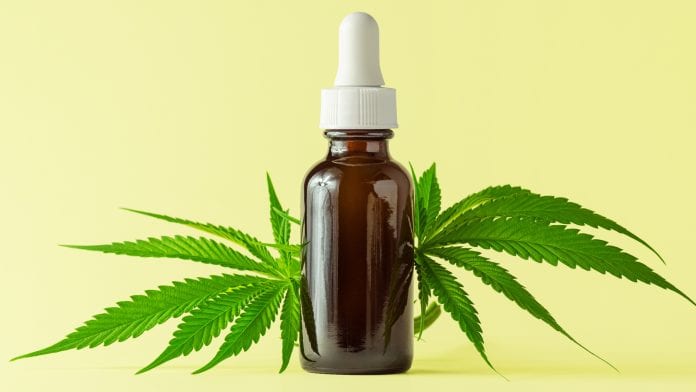
Workplace wellness is no longer limited to gym memberships and occasional team-building activities. Companies of all sizes are beginning to understand that employee well-being directly affects productivity, creativity, and overall job satisfaction. As conversations around mental health, stress management, and work-life balance become more open, CBD has entered the discussion as a potential part of modern workplace wellness strategies.
Understanding CBD in a Professional Context
CBD, short for cannabidiol, is a compound derived from the hemp plant. Unlike THC, it does not produce psychoactive effects. This distinction is important in professional environments where clarity, focus, and compliance with workplace policies are essential. Employees are increasingly exploring wellness tools that support relaxation and balance without impairing their performance.
In many industries, especially those driven by deadlines and digital overload, workers face constant pressure. The rise in remote and hybrid work models has also blurred the boundaries between personal and professional life. Articles on platforms similar to small business news often highlight how employers are searching for practical, safe ways to support teams under these evolving conditions.
Why Stress Is a Workplace Issue
Stress in the workplace is not just an individual problem. It can lead to burnout, absenteeism, and reduced engagement. Employers are now looking beyond traditional solutions and considering broader wellness frameworks that address emotional and mental well-being alongside physical health.
CBD is frequently discussed in wellness communities for its potential role in promoting a sense of calm. While research is ongoing, many users report that incorporating CBD into their routines helps them manage everyday stress. This growing interest mirrors how lifestyle-focused blog spaces, even those covering unexpected topics like net worth celebrities, often branch into wellness discussions because readers see health and success as deeply connected.
The Shift Toward Holistic Wellness Programs
Modern wellness programs are becoming more holistic. Instead of focusing only on fitness challenges or annual health screenings, companies are introducing mindfulness workshops, flexible schedules, and mental health days. In this broader ecosystem, CBD is sometimes viewed as a personal wellness option rather than a formal corporate offering.
Employers are not necessarily distributing CBD products, but they are becoming more open to conversations about diverse wellness approaches. As workplace culture becomes more inclusive, acknowledging different coping strategies and self-care habits can help employees feel seen and supported.
Digital media trends also show how diverse interests intersect. On some lifestyle-oriented sites, topics such as pinayflix art appear alongside wellness and culture pieces, reflecting how audiences consume a mix of entertainment, creativity, and self-improvement content in one place.
Employee Perspectives on CBD
From an employee standpoint, interest in CBD often comes from a desire to manage daily tension, improve sleep quality, or maintain focus during long work hours. For those in high-responsibility roles, small improvements in how they feel can make a noticeable difference in their performance and mood.
However, open communication is key. Employees must understand company policies, especially regarding substances and workplace safety. Transparency and education help prevent misunderstandings and ensure that wellness choices remain responsible and informed.
Media conversations sometimes weave together lifestyle, success, and well-being. Readers moving from articles about net worth celebrities to wellness topics reflect a broader mindset shift: professional achievement is increasingly linked with personal balance rather than constant hustle.

Legal and Policy Considerations
One reason CBD remains a growing conversation rather than a standard workplace benefit is the variation in regulations and company policies. Laws differ by region, and organizations must ensure they remain compliant while protecting employee safety.
Human resources teams are encouraged to stay informed and provide clear guidelines. Even when CBD is legal, companies may have specific rules about its use, particularly in safety-sensitive roles. Education sessions about wellness trends can help clarify what is and is not appropriate in the workplace.
Interestingly, the way online culture blends topics can influence awareness. A reader might move from social media discussions about features like planets on snapchat to articles about wellness habits, showing how digital environments expose people to a wide range of lifestyle ideas that eventually reach workplace conversations.
Building a Supportive Wellness Culture
The real opportunity for employers lies not in promoting any single product, but in creating a culture where well-being is valued. This includes reasonable workloads, supportive leadership, and access to mental health resources. When employees feel supported, they are more likely to explore healthy habits responsibly.
CBD’s role in this space is still evolving. It represents a broader trend where individuals seek plant-based, non-intoxicating options as part of their self-care routines. Whether or not companies actively address CBD, the conversation itself signals a shift toward more open, nuanced discussions about health at work.
Looking Ahead
As workplace wellness continues to develop, the focus will likely remain on flexibility, personalization, and education. CBD is part of a larger movement toward recognizing that employee well-being is multi-dimensional. Organizations that listen, adapt, and communicate clearly will be better positioned to support their teams in meaningful ways.
The growing conversation around CBD and workplace wellness ultimately reflects a deeper change in how we define success at work. Productivity is no longer seen as separate from well-being. Instead, a balanced, supported employee is increasingly viewed as the foundation of a thriving workplace.